The Significance of Red in Chinese Culture
In Chinese culture, the color red is imbued with profound meaning and significance. It is not merely a color but a symbol of luck, joy, and prosperity, deeply woven into the fabric of various traditions and celebrations. This article explores the rich cultural implications of red, particularly within the context of festivities and rituals observed by the Chinese community. As customs evolve, the interpretation and usage of red continue to adapt, reflecting both traditional values and modern sensibilities. When exploring options, rokok88 slot login provides comprehensive insights into the cultural significance of red during celebrations.
Understanding Cultural Implications of Color
Colors have unique meanings across different cultures, and red holds a special place in Chinese society. Beyond being a favored aesthetic choice, red is often associated with happiness and good fortune. During significant events, such as weddings or the Lunar New Year, red promotes an atmosphere of joy and celebration. For instance, at weddings, red bridal dresses symbolize good luck and the wish for a prosperous future for the couple.
Historical Context of Red in Traditions
The historical roots of the color red date back thousands of years, where it was often used in ancient rituals and rites. With the emergence of the Han Dynasty, red became increasingly prominent, symbolizing authority and dignity. Over time, this association transformed, and red became a staple color during festivities, particularly during the Chinese New Year when it is said to ward off evil spirits.
Symbolism of Red in Daily Life
In daily life, the presence of red can be seen in various forms, from clothing to decorations. Many Chinese individuals will wear red during significant occasions to attract good fortune. Additionally, red items are often incorporated into home decor, signifying wealth and success. The influence of red extends beyond personal choices; businesses often employ this color in marketing materials, further linking it to prosperity.
Red Envelopes: More Than Just Money
One of the most iconic representations of red in Chinese culture is the red envelope, or 'angpao.' This practice transcends mere monetary gifts, embodying deeper cultural meanings related to tradition and generosity. The act of giving and receiving these envelopes is steeped in the hope of transmitting good fortune and blessings from the giver to the recipient.
The Tradition of Angpao Giving
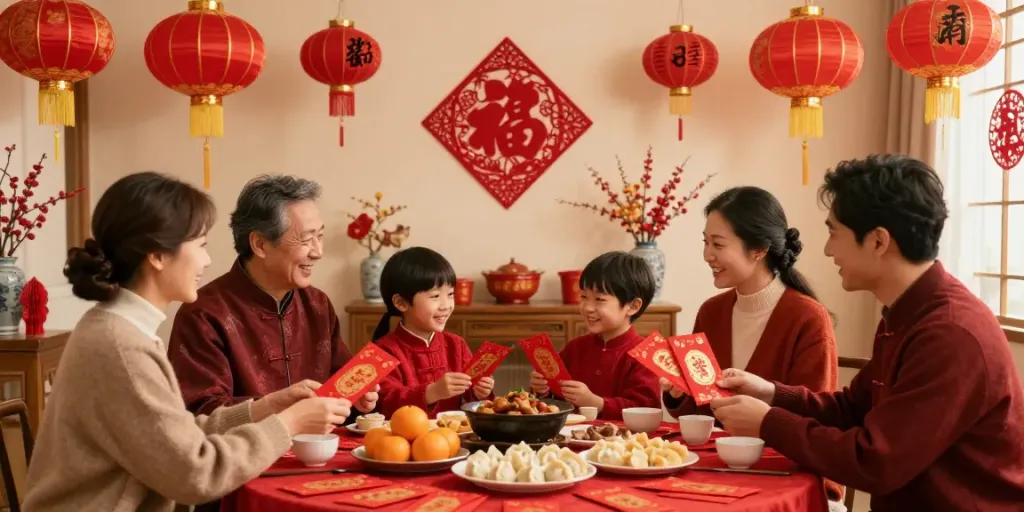
Traditionally, during Chinese New Year and weddings, red envelopes are filled with money and given to children and unmarried adults. This symbolizes a passing of good luck and prosperity, fostering a sense of community and familial bonds. The monetary value inside the envelope is often considered secondary to the gesture itself.
Modern Adaptations of Angpao
In contemporary society, the concept of angpao has evolved with digital technology. Virtual red envelopes are becoming increasingly popular, especially among younger generations. Apps facilitate the exchange of monetary gifts, adapting this age-old tradition to modern communication methods while retaining its core values of goodwill and fortune.
The Impact of Angpao on Relationships
The tradition of angpao plays a vital role in nurturing relationships among family members and friends. It signifies respect and goodwill, often reinforcing familial ties. During festive seasons, the exchange of angpao strengthens social connections and fosters a sense of belonging within the community.
Celebrating Chinese New Year with Red
The Lunar New Year, or Spring Festival, is arguably the most important celebration in Chinese culture, where red dominates every aspect of the festivities. From decorations to clothing, red outlines the joyous spirit of the season, as it is believed that this vibrant hue will usher in a new year filled with happiness and prosperity.
Common Decorations and Their Meanings
Red decorations such as lanterns, banners with auspicious phrases, and couplets adorn homes and streets during the New Year. The presence of these items is not merely decorative; they serve as protective talismans against misfortune and evil spirits. Each element is carefully chosen to embody specific wishes for success, blessings, and health.
Festive Foods and Their Symbolism
Food also plays a significant role in Chinese New Year celebrations, with many dishes being presented in red packaging or served on red plates to enhance their auspicious meanings. Dishes like dumplings symbolize wealth, while fish represents prosperity, all contributing to a table set for good fortune.
Creating a Red-Themed Celebration
To host a successful Chinese New Year gathering, it is essential to incorporate red elements throughout the celebration. From attire to table settings, creating a vibrant red-themed ambiance will not only pay homage to traditions but also enhance the festive spirit. Consider using red napkins, tablecloths, and decorations to elevate the atmosphere.
Red Color and Its Connection to Luck
The association between red and luck is deeply ingrained in Chinese culture, leading to numerous myths and beliefs. Many people believe that the presence of red can change one’s fortune, influencing outcomes in various aspects of life, including business and personal matters.
Myths and Beliefs Surrounding Fortune
Common folklore suggests that wearing red during important events can significantly improve luck. Many Chinese individuals will even choose to gamble or start new ventures while adorned in red attire, hoping to attract positive outcomes.
Scientific Perspectives on Color Psychology
While traditional beliefs sway public opinion regarding red's luck, some modern studies suggest that colors can indeed affect emotions and perceptions. Research into color psychology shows that red can stimulate feelings of excitement and positivity, possibly influencing the way people approach luck and success.
Influence of Red on Modern Celebrations
Today, the color red remains integral not only in Chinese culture but also in international celebrations, where it signifies joy and festivity. As globalization spreads, the influence of red can be seen in various cultural settings, transcending traditional boundaries and resonating with diverse audiences across the world.
Future Trends in Cultural Celebrations for 2026
As we look toward 2026 and beyond, cultural celebrations are poised to evolve further, with traditions adapting to contemporary values and global influences. The role of red in these celebrations will likely continue, maintaining its symbolic resonance while incorporating modern aesthetics and technologies.
Emerging Customs and Innovations
Future trends may witness the blending of traditional customs with innovative practices. For instance, augmented reality experiences during festivals could integrate visual elements of red in ways that engage the audience more interactively, reinforcing cultural connections while appealing to younger generations.
Global Influence of Chinese Culture
The global reach of Chinese culture means that traditions such as the use of red are permeating other societies. As cross-cultural exchanges increase, we may see more diverse interpretations and applications of red, potentially giving rise to new customs that celebrate this powerful color.
Predictions for the Evolution of Traditions
Predicting the future of cultural traditions can be difficult, but it is conceivable that the significance of red will persist, further weaving itself into the global narrative. Emerging social trends may lead to new interpretations, where the color symbolizes not only luck but also inclusivity and diversity.
What Are the Most Common Misconceptions?
Misconceptions about red often stem from a lack of cultural understanding. Many assume that the color solely represents happiness and wealth without recognizing its multifaceted meanings across different contexts. Addressing these misunderstandings can promote greater cultural appreciation and respect.
How Can One Incorporate Red in Daily Life?
Incorporating red into daily life can be as simple as choosing red clothing or accessories. Individuals can also decorate their homes with red items to create inviting and lively environments. Celebrating small personal achievements with red-themed gatherings can reinforce the positive emotions associated with the color.
Does Color Truly Affect Luck and Happiness?
Whether or not color directly affects luck and happiness remains a subjective experience. However, the positive connotations of red can undoubtedly inspire confidence and optimism, contributing to a mindset that embraces opportunities for success.
What Makes Angpao a Cultural Touchstone?
The angpao tradition embodies the essence of Chinese culture, highlighting values such as generosity, respect, and familial bonds. Its enduring significance showcases how cultural practices can foster connections and convey meaningful messages of goodwill.
How to Create an Inclusive Celebration?
Creating an inclusive celebration involves acknowledging the diverse interpretations of red and its meanings. Engage community members in the planning process to ensure various perspectives are respected and represented, fostering a sense of belonging among all participants.
How Has Technology Impacted Traditional Practices?
Technology has reshaped the way traditional practices are observed, particularly in how celebrations are organized and executed. Virtual gatherings, digital red envelopes, and social media platforms have modernized the festive experience while preserving core customs.